
Holter Monitors
One-week, two-week, one-month, or long-term monitoring tailored to your needs.
Holter Monitors
One-week, two-week, one-month, or long-term monitoring tailored to your needs.
Holter Monitor for
Heart Rhythm
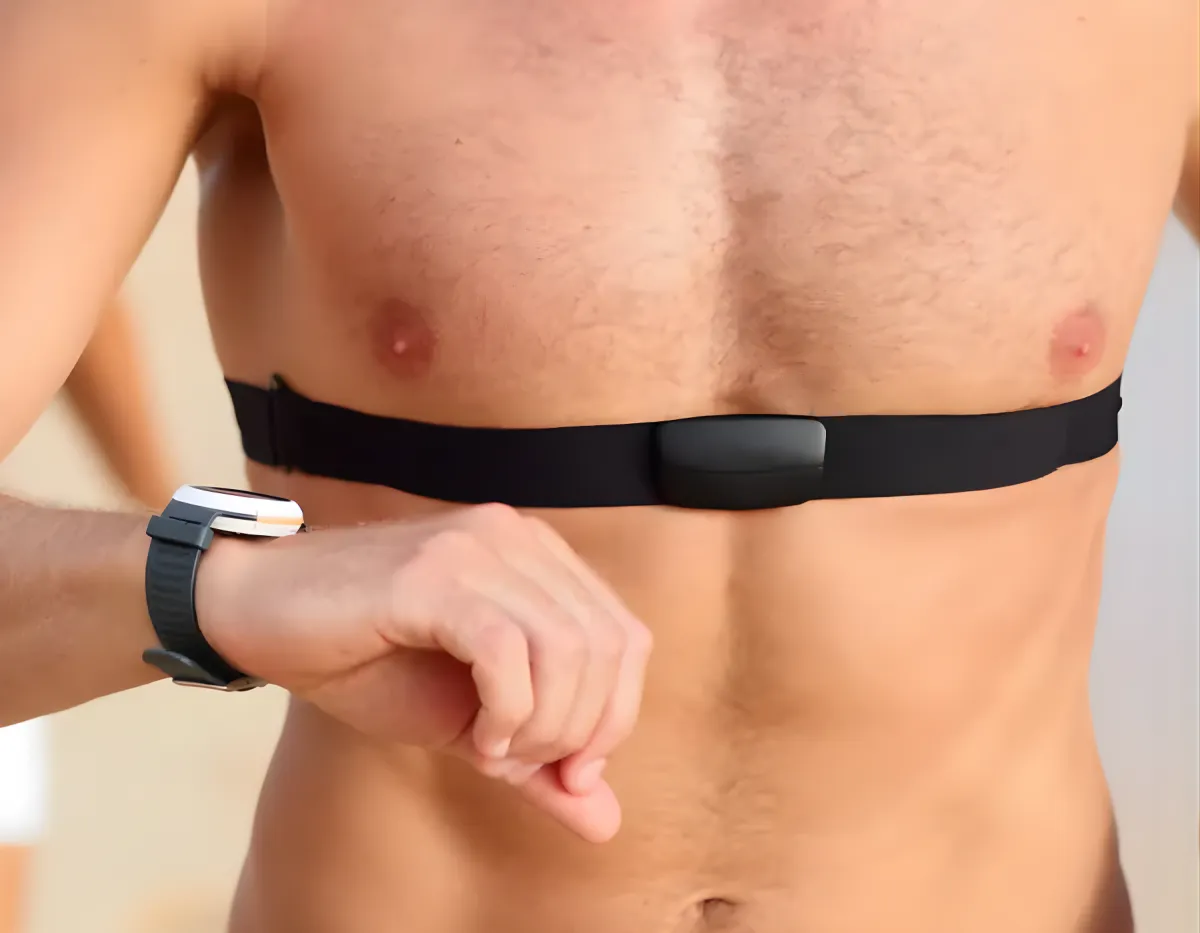
This device records all your heartbeats, giving your doctor enough information to be able to help diagnose your heart condition and figure out if you have a heart rhythm problem.
It is painless, non-invasive, and easy to wear with just a minor awareness that it is on your body. You must wear it the whole time your health care provider asks you to.
During this time, most likely you will be asked to keep a record of your symptoms so the data from the monitor could be compared to it.
Holter Monitor for
Heart Rhythm
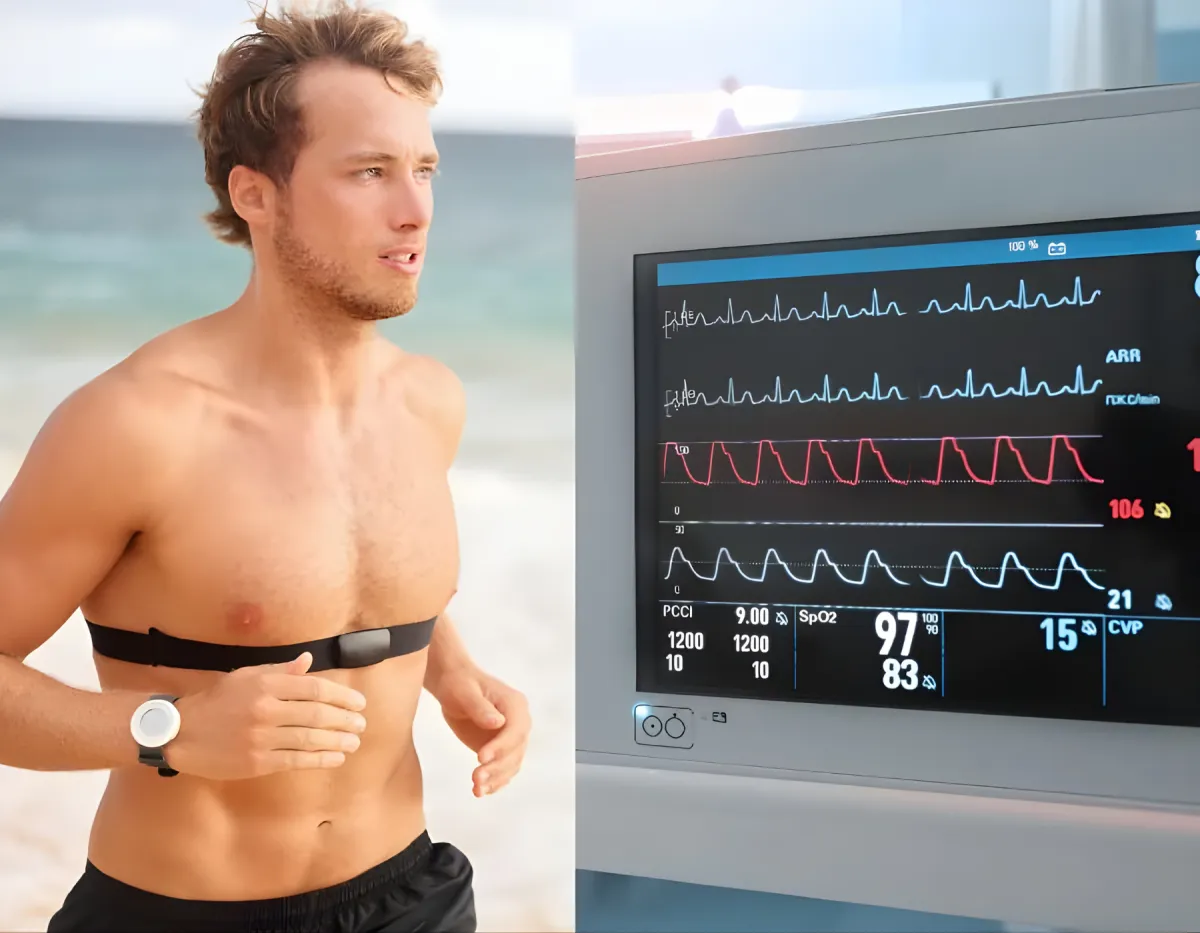
This device records all your heartbeats, giving your doctor enough information to be able to help diagnose your heart condition and figure out if you have a heart rhythm problem.
It is painless, non-invasive, and easy to wear with just a minor awareness that it is on your body. You must wear it the whole time your health care provider asks you to.
During this time, most likely you will be asked to keep a record of your symptoms so the data from the monitor could be compared to it.
Why Extended Monitoring
Is Recommended
Most of the time, your doctor may ask you to wear a Holter monitor for 24 hours. However, if no irregular heart rhythms occur during that short period, it may not provide enough information to diagnose your condition. That’s why a one- or two-week Holter monitor is often recommended. During this extended monitoring period, you may also be asked to keep a log of any symptoms you experience, which helps compare your symptoms with the recorded heart rhythm data.
Why Extended Monitoring Is Recommended
Most of the time, your doctor may ask you to wear a Holter monitor for 24 hours. However, if no irregular heart rhythms occur during that short period, it may not provide enough information to diagnose your condition. That’s why a one- or two-week Holter monitor is often recommended. During this extended monitoring period, you may also be asked to keep a log of any symptoms you experience, which helps compare your symptoms with the recorded heart rhythm data.
Your Path to a Stronger, Healthier Heart Starts Here

© 2026 Heart Fit Clinic. All Rights Reserved.